Comment choisir le mobilier extérieur pour les environnements côtiers des hôtels et resortsSep .07.2026 Views
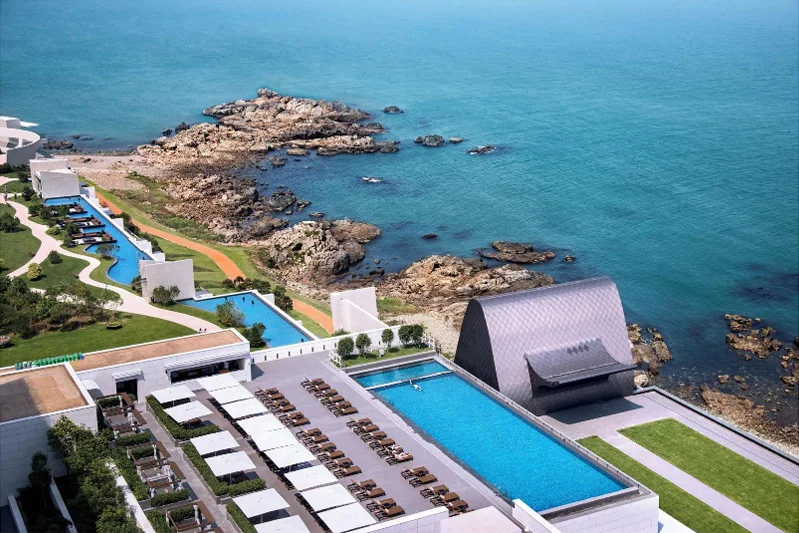
Coastal outdoor furniture is exposed to salty air, high humidity, strong sunlight and frequent water contact.
Furniture near a swimming pool may also face frequent water contact, pool chemicals and regular cleaning.
These conditions affect more than the main frame. Surface finishes, fittings, woven materials, cushions and structural details must also suit the location.
A covered restaurant terrace, an open pool deck and a beachfront lounge should not automatically use the same specification.
1. Start with the Exact Location
The first step is to divide the project into different use areas.
Typical areas include:
●Covered outdoor dining
●Open poolside areas
●Beachfront lounges
●Rooftop terraces
●Guestroom balconies
●Spa and wellness areas
A covered area may have limited contact with sea spray. Furniture beside the beach may receive salty air every day. Poolside furniture is more likely to face water, sunscreen, cleaning products and pool chemicals.
Before selecting materials, confirm:
●Distance from the sea
●Direct sea-spray exposure
●Covered or open location
●Poolside exposure
●Cleaning frequency
●Cushion storage arrangements
Different areas of the same project may need different frame, finish and cushion specifications.
2.Choose the Frame and Finish Together
Powder-coated aluminum is widely used for hospitality outdoor furniture.
It is lightweight, easy for hotel staff to move and suitable for dining chairs, lounge chairs, sofas, sun loungers and daybeds.
For coastal use, the frame should be checked beyond the description “powder-coated aluminum.”
Important points include:
●Aluminum grade
●Surface preparation
●Coating around welds
●Holes made after coating
●Tube openings and end caps
●Coating damage during assembly
D.FURNITURE commonly uses 6063-grade aluminum with outdoor powder coating.
During product breakdown, the frame structure is developed to avoid closed areas where water can collect. The finished sample is then checked to confirm that the structure works as intended.
Stainless steel can also be used for frames, bases and fittings.

It has good corrosion resistance, but it is not maintenance-free. Salt and pool chemicals can collect around screws, welds and narrow gaps.
D. FURNITURE normally uses 304-grade or higher stainless-steel screws for outdoor furniture. Some projects specify 316-grade fittings where higher corrosion resistance is required.
Salt deposits should still be removed as part of the project’s regular maintenance routine.
3.Review Woven Materials, Teak and Cushions
Outdoor rope, woven webbing and PE rattan are widely used in coastal resorts.
Their performance depends on the actual material and how it is used.
The supplier should confirm:
●Material composition
●UV resistance
●Colour fastness
●Stretching
●Surface abrasion
●Cleaning method
●Connection to the frame
The frame edge should be smooth where rope or woven material makes contact. Weaving tension should be controlled so the seat and back keep their shape.
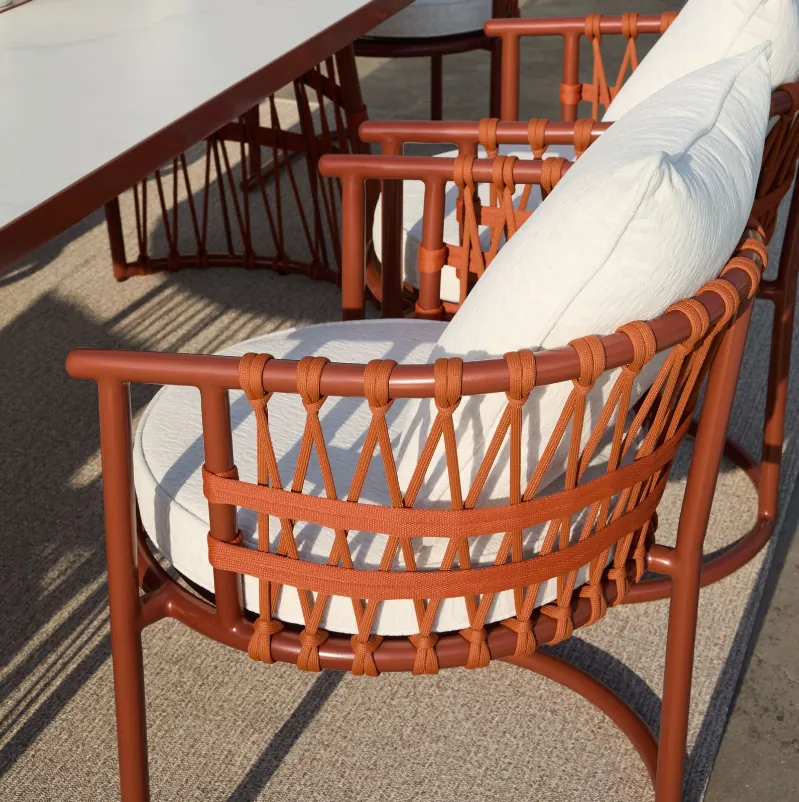
For project orders, the approved sample should record the rope colour, diameter, weaving pattern, tension and finishing points.
Teak is also common in coastal hospitality projects.
The project team should confirm:
●Timber selection
●Joint construction
●Exterior oil finish
●Expected colour change
●Cleaning and re-oiling requirements
Teak naturally changes colour outdoors. The client and designer should agree whether they prefer a freshly oiled finish or a more weathered appearance.
Cushions should be selected according to actual water exposure.
Quick-dry foam may be useful for open poolside or beachfront areas, but it is not necessary for every covered chair.
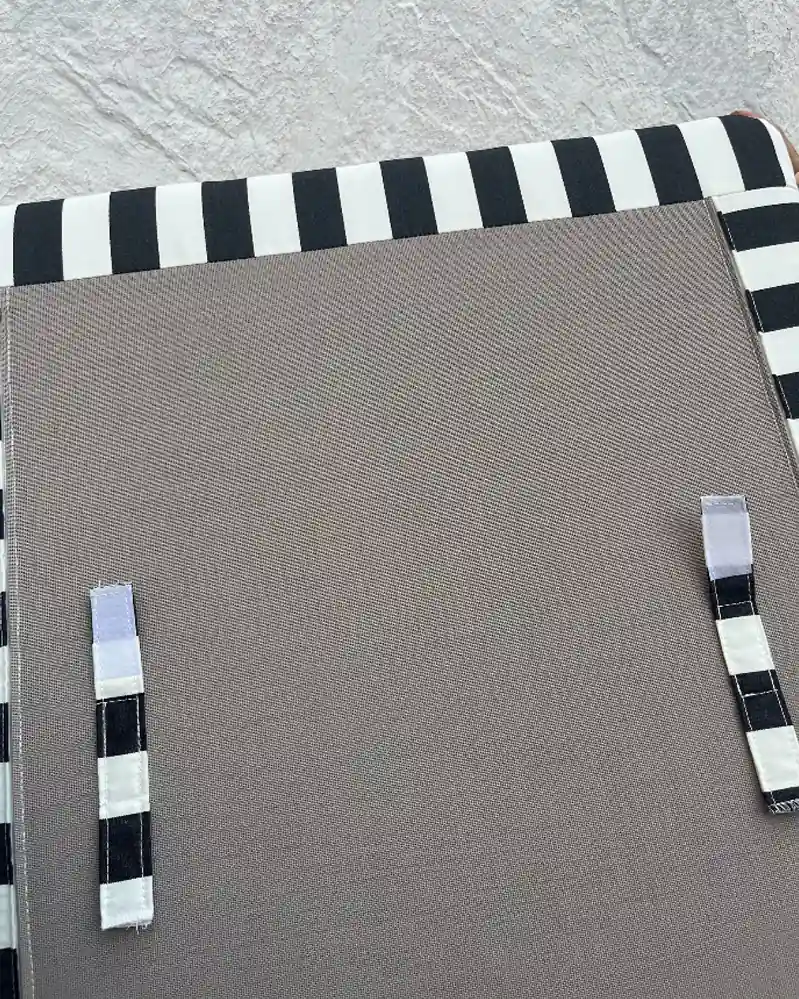
The cushion filling, breathable base, seat platform and drainage must work together. Quick-dry foam alone cannot solve a blocked drainage structure.
4. Check the Small Details During Sampling
Many outdoor furniture problems begin with small structural details.
These may include:
●Water remaining inside hollow frames
●Unprotected holes made after coating
●Sharp edges below rope
●Tight gaps that are difficult to clean
●Loose end caps
●Seat platforms that block cushion drainage
●Screws that cannot be replaced after installation
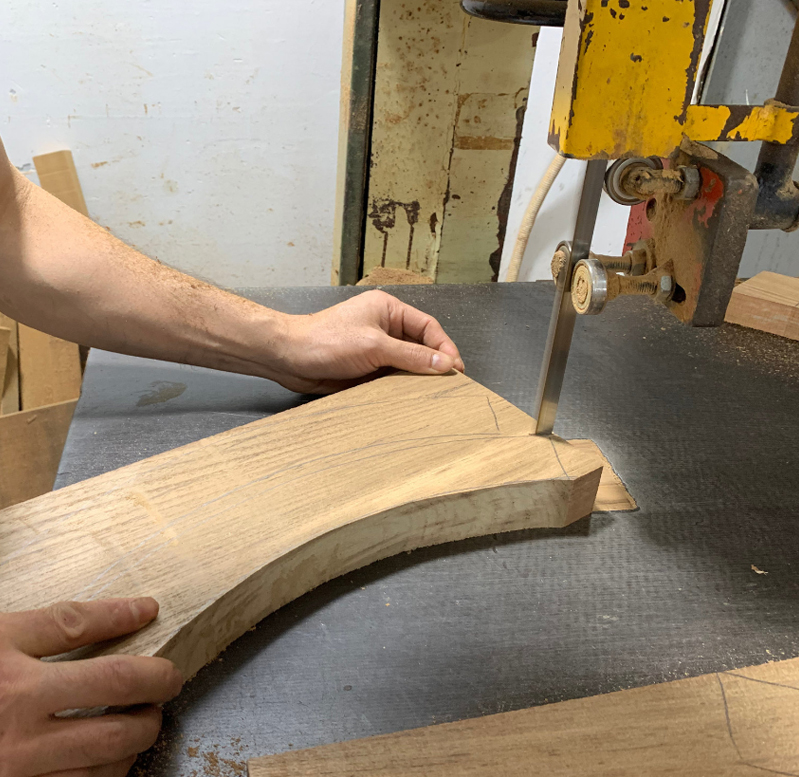
These details are considered during product breakdown, shop drawing development and sample production.
The prototype or control sample may be used to check:
●Overall proportions
●Frame stability
●Rope tension
●Cushion fit
●Seat height
●Joint details
●Water drainage
●Screw access
●Finish consistency
Any approved adjustment should be updated in the drawing and production requirements before mass production.
5.Cleaning and Project Information
Coastal furniture needs regular cleaning.
A basic maintenance routine may include:
●Removing salt with fresh water
●Using mild soap
●Cleaning with a soft cloth or sponge
●Checking screws and joints
●Drying cushions before storage
●Repairing damaged coating
●Using covers during long periods of non-use
Strong bleach and aggressive cleaning products may damage metal finishes, fabrics and woven materials.
Before asking for a material recommendation, provide:
●Project location
●Distance from the sea
●Furniture layout or BOQ
●Product drawings
●Covered, poolside and beachfront areas
●Preferred frame and finish
●Cushion requirements
●Required quantities
●Expected delivery date
This information allows the supplier to review each area before quotation.
How D.FURNITURE Reviews Coastal Projects
D.FURNITURE reviews the furniture together with its location and intended use.
For coastal projects, our support may include:
●Separating covered and exposed areas
●Reviewing aluminum, stainless steel and teak options
●Checking frame structure and fittings
●Coordinating coating, rope and fabric samples
●Preparing shop drawings
●Developing prototypes or control samples
●Recording approved materials and finishes
●Confirming production and packing details
The specification should match the project location, use, budget and maintenance plan.
Conclusion
For coastal projects, material choice and construction details must be reviewed together.
The frame, finish, fittings, woven materials, cushions and structural details all affect the finished product.
Planning a Coastal Hotel or Resort Project?
Share your project location, furniture drawings and application areas with D.FURNITURE for an initial material and construction review.
Primary Button: Request Material Review
Secondary Button: Send Project Drawings
Prepared by D.FURNITURE Project Content Team
Technical Review by D.FURNITURE Product Development Team
Published: [September 1, 2026]
Last Reviewed: [September 1, 2026]